Transforming Lives Through
Women's Collective Power
From isolated rural households to organized federations of thousands — HEAL Movement's women's empowerment journey is a story of grassroots mobilization, financial inclusion, and constitutional rights assertion that has redefined what is possible for Scheduled Caste women in coastal Tamil Nadu.
Recognizing Women as the Cornerstone of Community Change
In the early years of HEAL Movement's field operations across Rajakkamangalam and Kurunthancode blocks of Kanyakumari District, a pattern emerged consistently through community assessments and volunteer meetings: women were disproportionately resilient, highly motivated, and uniquely positioned to drive household and community transformation.
Field evidence repeatedly showed that rural women demonstrated a stronger capacity to address civic issues, build savings discipline, access and manage credit responsibly, develop financial literacy, and channel resources into income-generating activities. What they lacked was not capability — but a structured platform, access to information, and the institutional backing to convert their potential into sustained leadership.
"Women were not the beneficiaries of development — they were its most capable agents. Our role was simply to create the conditions for them to lead."
This realization catalyzed HEAL's strategic pivot toward women-centric programming — building capacity, self-esteem, access to resources, and community action frameworks that positioned rural women as confident decision-makers and recognized community leaders. Initial financial constraints were overcome through a transformative partnership in 1987.
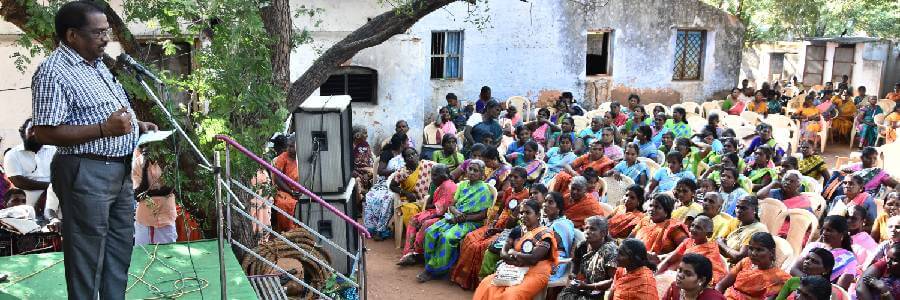
A Journey of Organized Solidarity — Year by Year
HEAL's community mobilization strategy was deliberate and phased — building trust, forming grassroots associations, and progressively consolidating them into powerful apex federations capable of engaging governments, courts, and markets on behalf of their members.
Groundwork: Volunteer Mobilization & Needs Assessment
Following HEAL's registration, volunteers were deployed across target villages in Rajakkamangalam and Kurunthancode blocks. Regular volunteer review meetings surfaced a critical finding: rural women's potential as development agents was systematically underutilized. A focused women's empowerment strategy was identified as the priority intervention.
Landmark Partnership with Swiss Catholic Lenten Fund (SCLF)
A strategic partnership with the Swiss Catholic Lenten Fund (SCLF) unlocked the resources needed to scale community organization activities across 40 villages in both blocks. HEAL deliberately focused on villages with exclusively Scheduled Caste (SC) populations — communities facing compounded social and economic exclusion requiring targeted, rights-based interventions.
Emergence of 43 Grassroots Community-Based Organizations
Six years of sustained participatory engagement yielded the formation of 28 Women's Associations, 9 Youth Associations, and 6 Agricultural Labourers' Associations across target villages. These CBOs became effective platforms for resolving civic grievances, mediating family disputes, negotiating fair wages, and building collective bargaining power. Their success highlighted the urgent need for an apex coordination body.
Formation of Women's Development Movement (WDM) Federation
HEAL facilitated the formation of the Women's Development Movement (WDM), an apex federation unifying village-level women's sangams with an initial membership of 920 women. WDM immediately took on issues of critical importance to SC women — land title recognition, housing site access, burial ground rights, street lighting, drinking water, sanitation, and government scheme entitlements — through petitions, official engagement, legal action, and organized advocacy protests.
WDM Restructured into 60 Self-Help Groups for Greater Reach
By 1995, WDM had matured into a financially and organizationally self-sustaining body. To enable members to access government SHG-linked financial benefits, micro-savings schemes, and bank linkage programs, WDM strategically reconstituted its women's sangams into 60 smaller Self-Help Groups (SHGs) — dramatically expanding members' access to formal financial services and government welfare programs.
Two Powerful Women's Federations. Two Districts. One Vision.
HEAL's most enduring institutional achievements are the two district-level women's federations it has nurtured — each a self-sustaining engine of gender justice and community development.
Women's Development Movement
WDM unifies village-level Scheduled Caste women's sangams into a powerful advocacy and development federation. It has successfully campaigned for land titles, housing site allocations, burial ground access, street lighting, safe drinking water, and formal government scheme entitlements — while building financial literacy and economic independence through SHG micro-savings and credit linkages.
- Constitutional rights assertion for SC communities
- Access to government welfare schemes and subsidies
- Legal action, petitioning, and official engagement
- Micro-savings, credit linkage & bank account facilitation
- Women's leadership development & civic participation
Awakening of Rural Women Development Movement
Modelled on the success of WDM, ARWDM was established in Radhapuram Taluk of Tirunelveli District to address the severe social and economic discrimination faced by SC women — particularly Dalit agricultural laborers and Palmyra climber communities. ARWDM has grown into a resilient federation advancing livelihood programs, financial inclusion, and social rights for its 1,130 members.
- Dalit women's rights and caste-based discrimination redressal
- Livelihood programs for agricultural labourer women
- Savings & credit promotion in 58 SHGs
- Training in fundamental rights & constitutional entitlements
- Bank linkage and microfinance facilitation
Addressing Deeper Discrimination — Beyond Kanyakumari
In 1996, HEAL's field assessments revealed a stark reality: Scheduled Caste communities in Tirunelveli District endured significantly more severe forms of social and economic discrimination than comparable communities in Kanyakumari. Caste-based exclusion, denial of civic rights, and extreme poverty among Palmyra climber communities and Dalit agricultural laborers demanded an urgent and targeted response.
HEAL began operations across 16 exclusive SC villages and 24 villages dominated by Palmyra climber communities — selecting these areas specifically to bridge the caste disparity between the two marginalized sections and foster inter-community solidarity. Dalit women were organized under structured Women's Associations and given intensive training on constitutional rights, livelihood improvement, and savings mobilization.
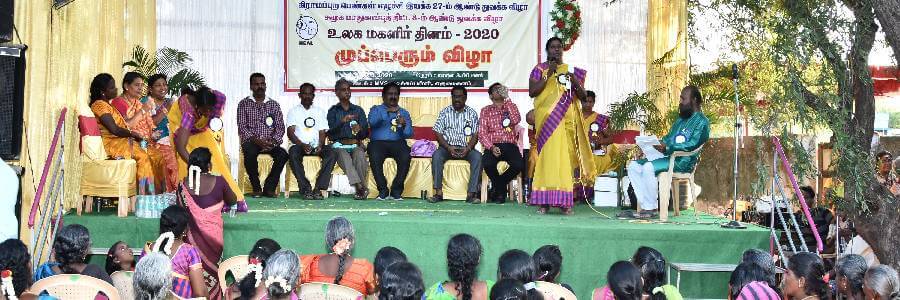
A Comprehensive, Multi-Pronged Empowerment Strategy
HEAL's Women's Empowerment program is not a single initiative — it is an integrated ecosystem of organizational, financial, skill-building, and advocacy interventions designed to address all dimensions of women's disempowerment simultaneously.
Sangam & SHG Formation
Structured village-level women's sangams and 92 Self-Help Groups providing a safe institutional space for savings, credit, and collective decision-making.
Capacity Building & Leadership Training
Targeted training programs on constitutional rights, governance, civic entitlements, and community leadership to build confident, informed women decision-makers.
Micro-Credit & Financial Inclusion
Promotion of thrift habits, micro-savings, and bank-linked credit access — enabling women to invest in productive assets, education, and health without debt bondage.
Income Generation & Skill Development
Vocational training in market-relevant trades — embroidery, handloom weaving, coir making, tailoring, food processing — creating sustainable livelihood pathways for rural women.
Legal Literacy & Rights Advocacy
Campaigns on land rights, housing entitlements, burial ground access, and anti-discrimination laws; supported by petitions, legal aid, and organized protest actions.
Networking, Campaigns & Roundtable Dialogues
Connecting women's groups to wider civil society networks, government schemes, and policy forums to amplify their collective voice at taluk, district, and state levels.
CBO Formation & Strengthening
Building and sustaining community-based organizations with strong governance, internal democracy, and financial management systems that outlast any single intervention.
Federation-Level Governance Support
Providing technical and institutional support to WDM and ARWDM to operate independently — with their own executive committees, accounts, and advocacy functions.
Beyond Beneficiaries — Building Agents of Change
What distinguishes HEAL's women's empowerment model is its insistence on systemic transformation — not charity. These women's groups are not passive recipients of aid; they are organized, rights-aware, financially active collectives working toward their own sustainable future.
Rights Realization at the Core
Every intervention — whether a savings group or a legal campaign — is anchored in the realization and assertion of constitutional rights. HEAL's women don't just access government schemes; they understand why those schemes exist and how to demand them.
Self-Sustaining Federation Model
WDM and ARWDM are designed not as HEAL subsidiaries but as independent, self-governing federations. By 1995, WDM was already capable of defending its cause and managing its affairs with minimal external support — a true sustainability model.
Intersectional Justice — Gender, Caste & Class
HEAL's program explicitly targets the intersection of gender discrimination and caste-based exclusion. By focusing on SC and Palmyra climber communities, the program addresses the compounded vulnerabilities that generic women's programs often miss.
Community-Led Development — Not Top-Down
The participatory development process — where women assess their own needs, form their own organizations, and lead their own advocacy — ensures that development gains are owned by the community, making them far more durable and meaningful than externally imposed solutions.
Integrated Economic & Social Empowerment
Rather than treating financial inclusion and social rights as separate tracks, HEAL integrates micro-credit, income generation, legal literacy, and civic advocacy within the same organizational ecosystem — creating women who are economically active AND socially assertive simultaneously.
Multi-Generational Impact
By including youth associations alongside women's sangams, the program creates intergenerational solidarity — ensuring that the values of gender equality, financial discipline, and rights consciousness are transmitted to the next generation of community leaders.
"These women's federations not only empower individual women — they elevate entire communities by fostering the realization and collective assertion of their fundamental rights. Additional investment is needed to cement this as a fully replicable and scalable sustainability model for grassroots women's empowerment across Tamil Nadu."
— HEAL Movement Program Assessment
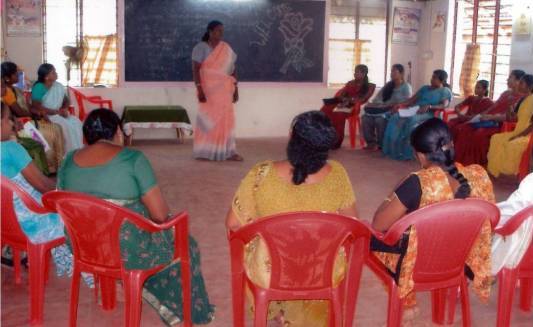
Moments of Transformation
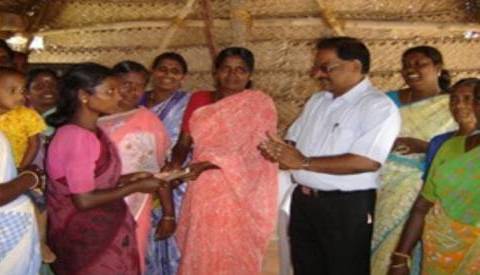
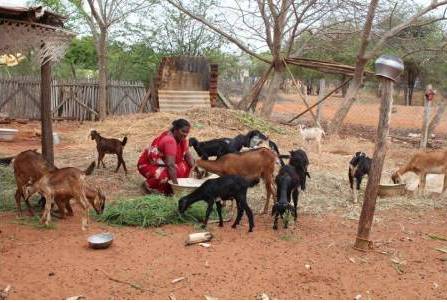
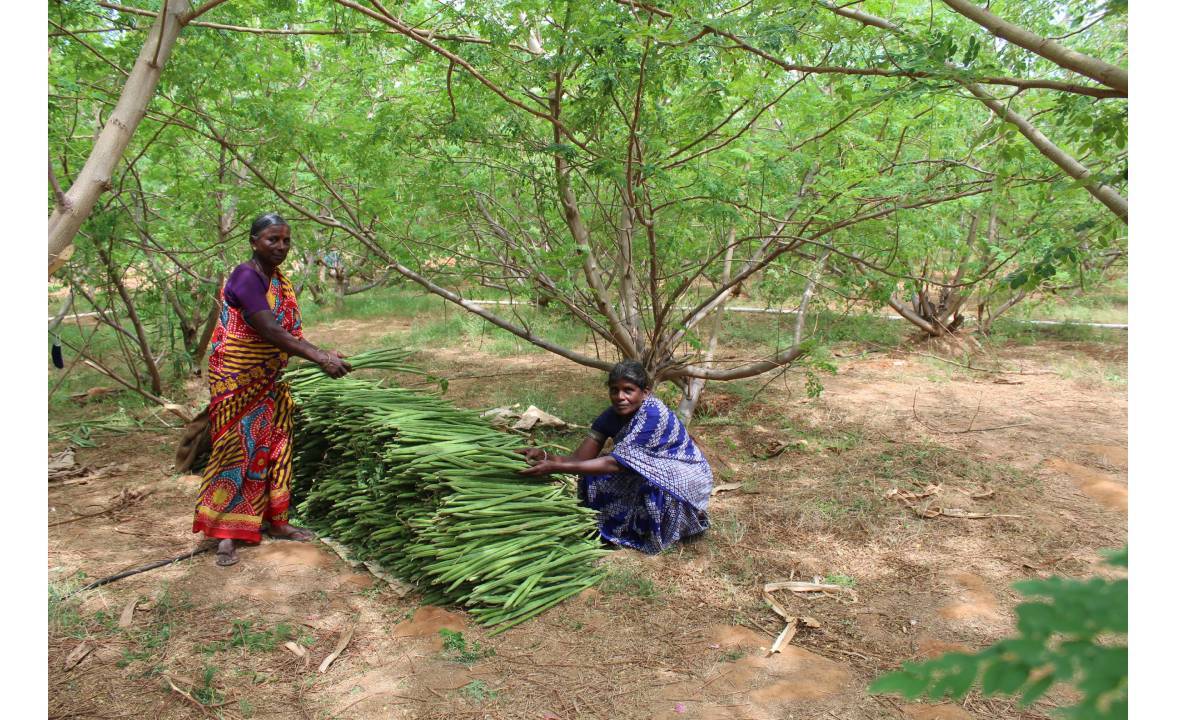
A glimpse into the lives changed through HEAL Movement's Women's Empowerment program across Kanyakumari and Tirunelveli Districts.

Help Us Strengthen 2,000+ Women Leaders
Your contribution directly funds SHG formation, legal literacy training, livelihood skills programs, and federation governance support — enabling women to lead their communities with confidence and dignity.
Related Programs