
Restoring Coastal Sand Dunes for
Biodiversity & Disaster Resilience
Coastal sand dunes are nature's frontline defenders — absorbing storm surges, anchoring biodiversity, and sustaining fisher folk livelihoods. HEAL Movement leads a landmark community-driven effort to restore, conserve, and protect these vital ecosystems along the 8-km Periyakadu coastal stretch in Kanyakumari District.
When the Tsunami Revealed What Sand Dunes Could Do
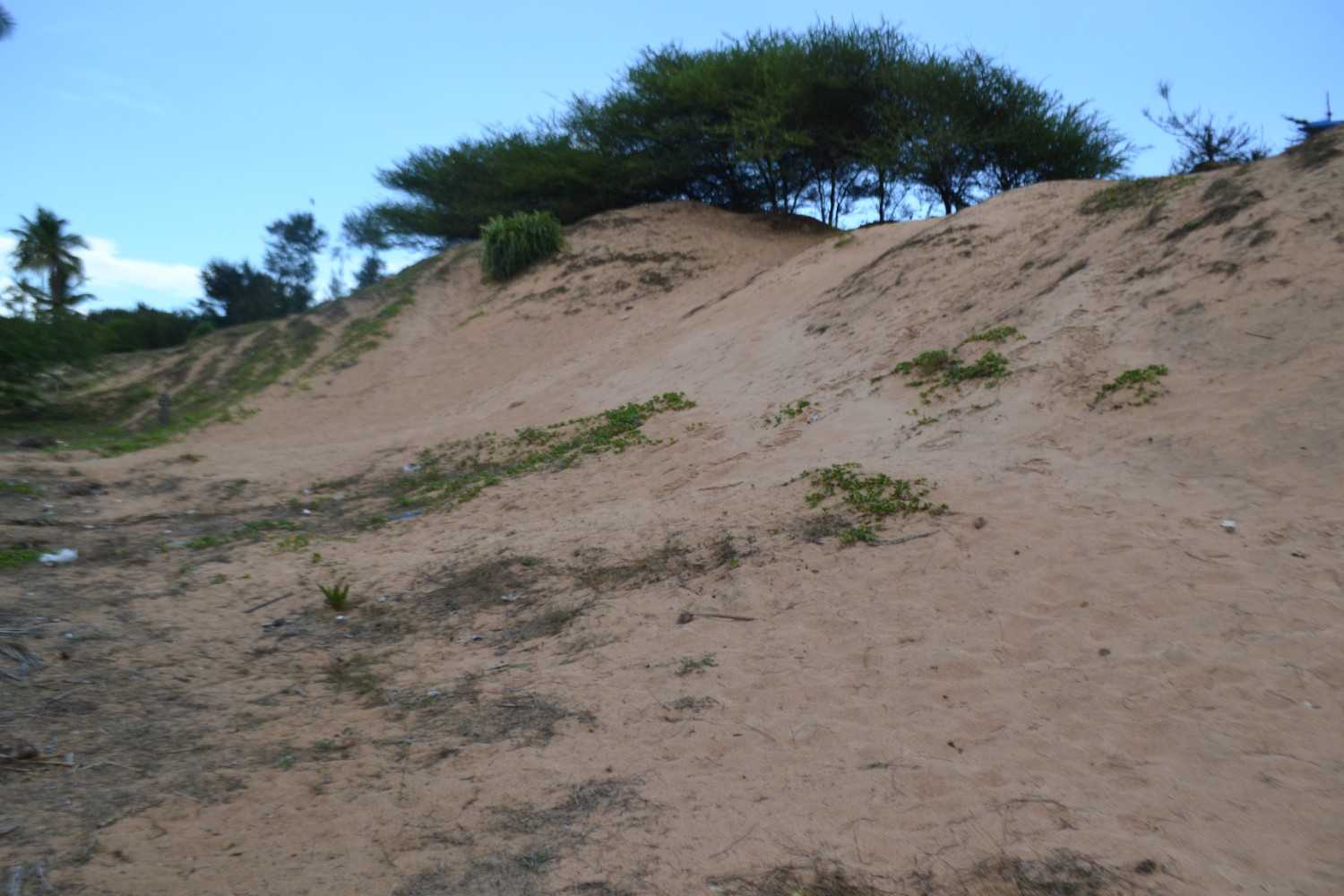
The catastrophic 2004 Indian Ocean Tsunami was a turning point. Post-disaster surveys of coastal villages across Kanyakumari District revealed a striking pattern: communities located behind intact coastal sand dunes suffered significantly less destruction than those where dunes had been degraded or removed through sand mining, aquaculture, and urbanization.
HEAL Movement's response was immediate and strategic. Identifying the Periyakadu sand dune — one of the few dune systems that had survived the tsunami's devastation — as a model intervention site, HEAL launched a comprehensive restoration and conservation program spanning 8 kilometres of coastline. The program rapidly evolved from disaster rehabilitation into a landmark community-led ecological conservation initiative that integrates biodiversity protection, climate resilience, and sustainable coastal livelihoods.
Sand dunes are now recognized not merely as geographical features but as irreplaceable ecological assets — functioning as natural sea walls, carbon sinks, freshwater reservoirs, marine breeding grounds, and livelihood platforms for coastal communities.
"The Periyakadu dune that stood firm against the tsunami taught us more about coastal resilience than any textbook. It became our living laboratory and our greatest teacher."
Seven Strategic Goals for Coastal Ecosystem Recovery
The Coastal Sand Dunes program is guided by seven integrated objectives that link ecological restoration, community empowerment, and disaster risk reduction into a unified conservation framework.
Build awareness among key stakeholders — fishermen, local officials, school communities, and civil society — on the ecological importance of coastal sand dunes and the urgent need for their preservation before further degradation occurs.
Establish participatory Greening Committees at the village level and federate them into a cohesive District-Level Greening Committee capable of sustained environmental advocacy and anti-sand-mining vigilance.
Train community members — particularly women and youth — on the science and practice of coastal ecosystem restoration, conservation, and participatory management of sand dune zones.
Conduct systematic ecological surveys to identify and propagate native, dune-stabilizing plant species suited to each zone — Pioneer, Middle-Shore, and Backshore — maximizing ecological resilience and biodiversity recovery.
Integrate sand dune conservation into school curricula and eco-club programs, fostering a generation of ecologically literate young citizens who understand and actively protect their coastal natural heritage.
Mobilize communities for sustained advocacy and lobbying against illegal sand mining and smuggling — engaging district administration, law enforcement, and government departments to enforce coastal protection legislation.
Motivate the student community, local stakeholders, general public, and relevant Line Departments to champion coastal sand dune preservation as a public good — essential for community safety, biodiversity, and long-term coastal livelihoods.
Nature's Most Undervalued Coastal Infrastructure
Understanding the science behind sand dune formation, function, and vulnerability is the foundation of HEAL's evidence-based conservation approach.
requiring dune protection
one of India's most vulnerable
under active restoration
- Accumulated through tidal wave sand deposits along shorelines over decades
- A dynamic, temporary natural phenomenon that continuously evolves
- Stabilized by pioneering plant species that bind sand with root systems
- Functions as a natural barrier between marine and terrestrial ecosystems
- Naturally formed dunes proved critical in protecting coastal communities during the 2004 tsunami
- First line of defense against tsunami wave energy dissipation
- Reduces coastal erosion from storm surges and high tides
- Prevents life-threatening saltwater intrusion into freshwater aquifers
- Acts as a natural cyclone buffer for inland communities
- Protects fishing villages, agricultural land, and infrastructure
- Critical nesting and breeding habitat for Olive Ridley sea turtles, crabs, and shore birds
- Supports unique assemblages of xerophytic (drought-adapted) plant species
- Acts as a natural sponge — absorbing and retaining monsoon rainfall for coastal flora and fauna
- Contributes to nearshore fisheries productivity through nutrient cycling
- Sustains livelihoods of seashell collectors and coastal fish dryers
Why Coastal Sand Dunes Are Worth Protecting
Coastal sand dunes deliver an extraordinary range of ecological, social, and economic services — making them one of the most cost-effective natural infrastructure systems available.
Disaster Protection
Shields coastal communities from tsunami impact, storm surges, sea erosion, cyclone winds, and high-tide flooding — functioning as a free, self-regenerating natural sea wall.
Freshwater Retention
Acts as a natural sponge through the "sponge effect" — absorbing monsoon rainfall and recharging coastal freshwater aquifers that sustain agriculture, drinking water, and ecosystems.
Marine Biodiversity
Provides essential breeding grounds for sea turtles, crabs, and numerous marine species — directly supporting the productivity of nearshore fish stocks that sustain fisher folk livelihoods.
Erosion Prevention
Native dune plants — including Adamba, Thazhai, and Cynodon dactylon (Ravana's Mustache) — bind sand with deep root systems, preventing wind and water erosion.
Carbon Sequestration
Coastal vegetation on sand dunes absorbs atmospheric carbon dioxide and emits oxygen — contributing to local air quality improvement and global climate change mitigation.
Saltwater Intrusion Barrier
Prevents seawater from encroaching into agricultural lands and freshwater sources during high tide events — protecting food security and drinking water quality in coastal villages.
Livelihood Platform
Provides natural drying platforms for fish, foraging grounds for seashell collectors, and ecotourism opportunities — sustaining the livelihoods of thousands of coastal families.
Ecological Balance
Sand dunes with intact native vegetation maintain the delicate ecological balance between marine and terrestrial environments — stabilizing the entire coastal ecosystem for generations.
Forces Destroying Our Coastal Defences
Despite their irreplaceable ecological value, coastal sand dunes face severe and escalating threats from human activities — driven by short-term economic gains at the cost of long-term ecological and community safety.
-
Rapid Urbanization & Coastal Development
Unplanned construction of hotels, roads, and residential buildings directly on or adjacent to sand dune systems permanently destroys their structure and function.
-
Industrial Encroachment
Industrial facilities sited in coastal zones displace dune ecosystems, pollute adjacent marine environments, and destroy native vegetation cover.
-
Aquaculture Expansion
Shrimp and fish farming operations convert dune land into ponds, eliminating natural vegetation and releasing saline effluents that degrade surrounding ecosystems.
-
Mangrove Destruction
Clearing of mangrove forests linked to dune systems removes a critical complementary coastal defence layer, accelerating erosion and biodiversity loss.
-
Illegal Sand Mining & Smuggling
The most immediate and devastating threat — organized sand extraction for construction directly excavates dune systems, creating dangerous coastal vulnerability overnight.
-
Unregulated Tourism
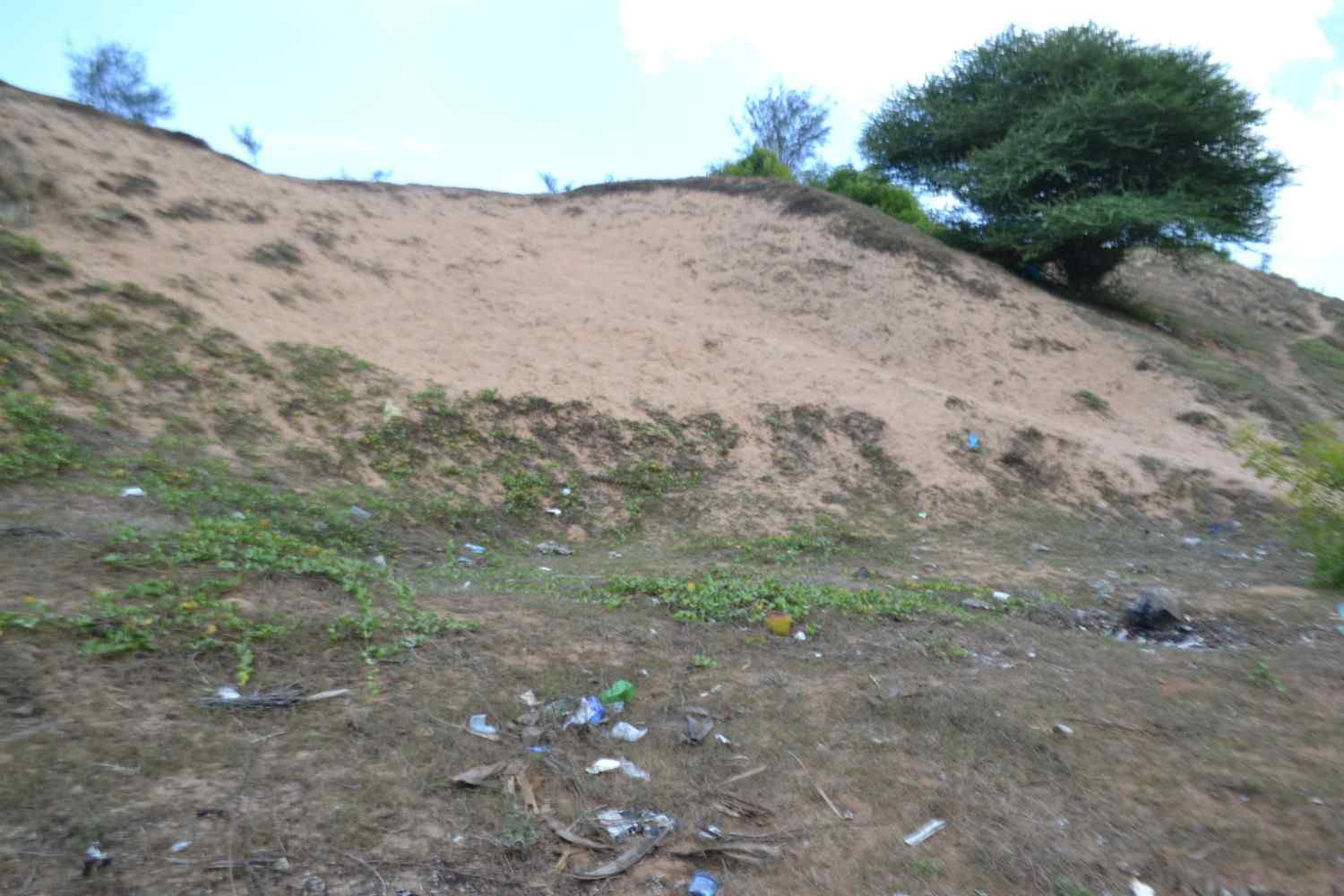
Heavy tourist foot traffic, vehicle movement on dunes, and littering compact sand, kill native plants, and disrupt nesting wildlife — degrading dune ecology gradually.
-
Biodiversity Loss
Removal of native dune plants for fuel, livestock grazing, and land clearance destroys the vegetation matrix that holds dunes together — triggering cascading ecological collapse.
The Hidden Cost of Destroying Sand Dunes: Groins
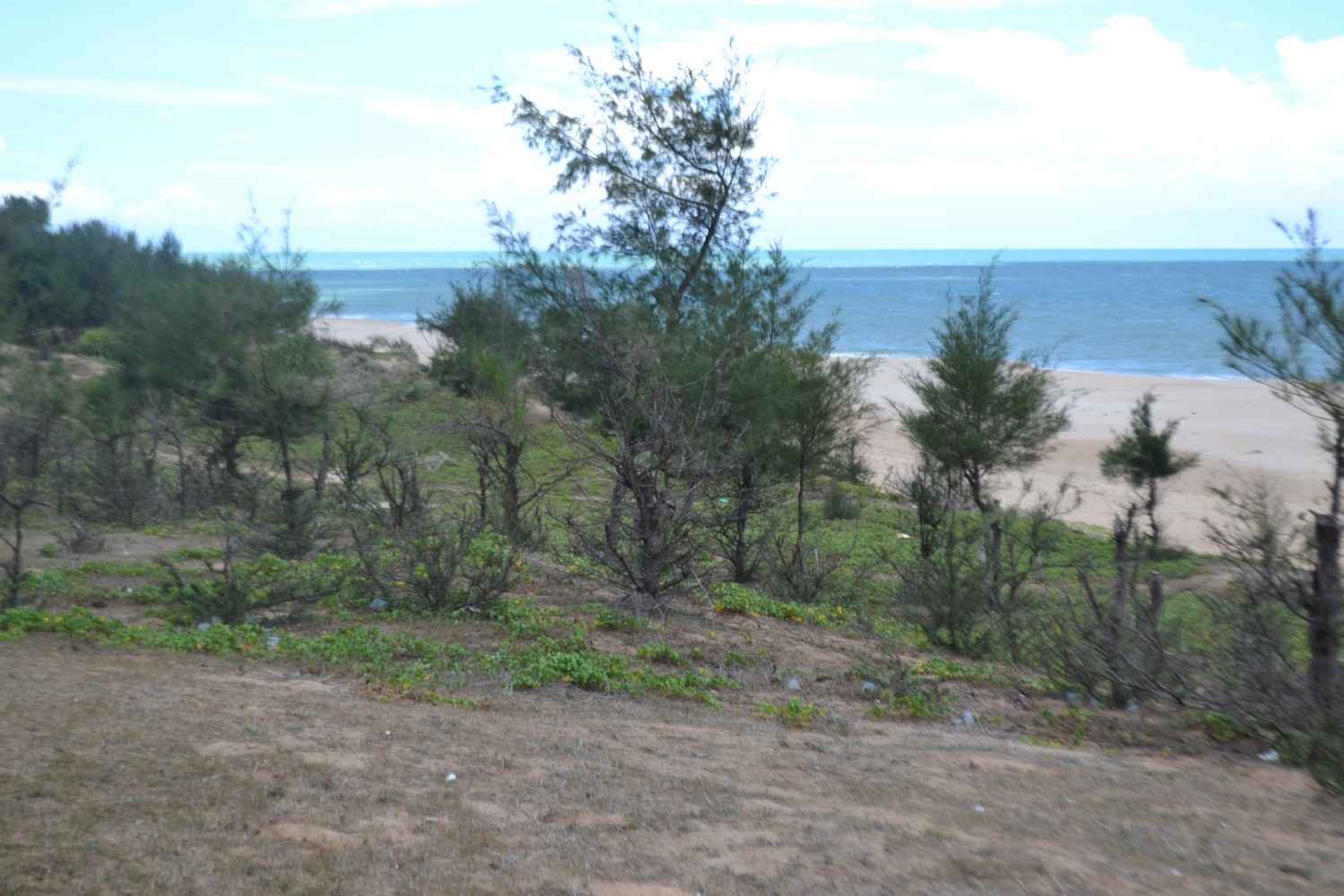
- When dunes are destroyed, expensive engineered groins (sea walls) must be built — at enormous public cost
- Groins disrupt natural sand movement, triggering erosion in neighboring coastal sections
- Groin construction destroys seashell collector access routes, devastating coastal livelihoods
- Sand mining that necessitates groins simultaneously destroys coastal biodiversity
- Groins require ongoing maintenance — wasteful of money, time, and public resources
- All natural benefits of sand dunes are permanently lost once groins replace them
- Communities protected by groins remain far more vulnerable to extreme weather than those behind intact dunes
Techniques for Sand Dune Stabilization & Recovery
HEAL's restoration methodology follows a scientifically validated, community-implemented stabilization protocol — combining biotic protection, physical interventions, and long-term vegetative management.
Wind Barrier Installation
Creation of physical mulch barriers from the crest to the heel of the dune, positioned perpendicular to prevailing wind direction — reducing sand movement and erosion rates while allowing vegetation to establish.
Biotic Factor Protection
Implementing community-enforced protection measures against livestock grazing, human trampling, and vegetation extraction — giving pioneer plant species time to colonize and stabilize exposed sand surfaces.
Xerophytic Vegetation Planting
Propagating native xerophytic trees, salt-tolerant shrubs, and grasses suited to harsh dune conditions — including Adamba, Thazhai, Ipomea, and Calotropis species — which bind sand and restore ecological function.
Zonal Management Planning
Community-led zonation of the dune system into Pioneer Zone (seaward), Middle-Shore Zone, and Backshore Zone — with species-specific planting plans matched to each zone's ecological conditions and exposure levels.
Nursery Development & Propagation
Establishing community nurseries to raise seedlings, cuttings, and vegetative propagules of dune-adapted species — including aloe, lantana, calotropis, and ipomoea — ensuring a consistent supply of planting material for ongoing restoration.
Adaptive Management & Monitoring
Ongoing participatory monitoring by community restoration committees — meeting twice monthly to assess dune health, report sand smuggling, address encroachments, and adapt management practices based on field observations.
Community Action at Every Level
HEAL's Coastal Dunes program engaged communities at every level — from school eco-clubs and women's groups to district officials and environmental scientists — creating a multi-stakeholder coalition for lasting coastal conservation.
Village & District Greening Committees
Formed inclusive Greening Committees at village and district levels, with representation from native community members, children, women, and environmental science professionals — creating a multi-stakeholder governance structure for dune conservation.
Community Restoration Training
Delivered hands-on training to native community members and Restoration Committee members on the science of sand dune restoration, conservation techniques, species identification, zonal management, and ecosystem monitoring protocols.
Participatory Zonal Mapping
Community members actively participated in field-based zonation of the Periyakadu sand dune system — mapping Pioneer, Middle-Shore, and Backshore zones and identifying appropriate native species for each zone's ecological conditions.
School Eco-Club Curriculum
Developed and delivered a dedicated environmental curriculum in 8 coastal schools through Eco-Clubs — covering marine biodiversity, ecosystem services, sand dune ecology, and community conservation responsibilities.
Manakudi Estuary Restoration
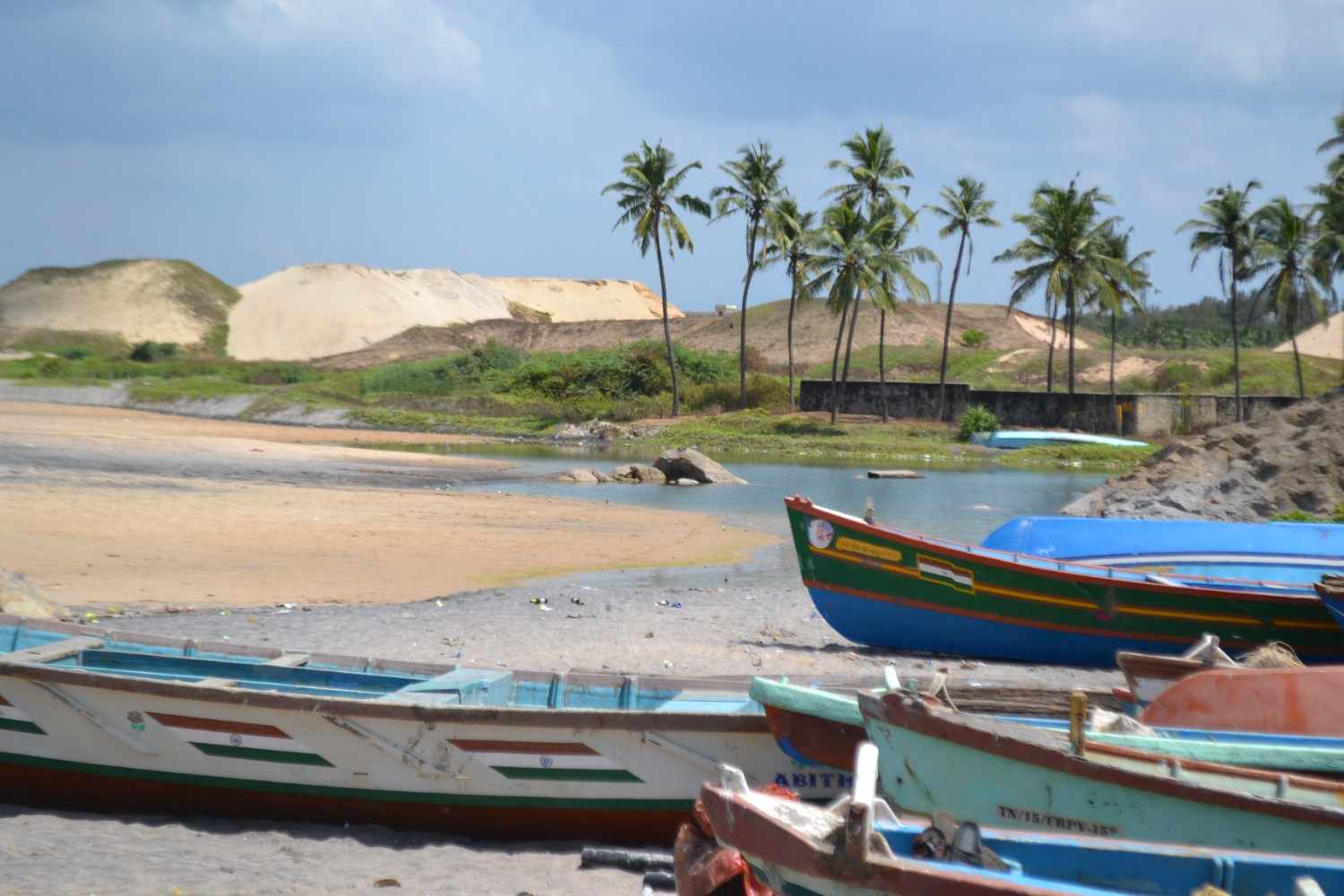
Excavated accumulated silt and debris blocking the entrance of Manakudi Estuary, then consolidated the cleared area with intensive vegetation planting — restoring water flow and estuarine ecosystem function.
Risk & Vulnerability Mapping
Installed community-facing risk, vulnerability, and opportunity maps at strategic coastal locations — providing visual tools that communicate disaster risk zones and conservation priorities to residents and decision-makers.
Public Awareness Campaigns
Street plays, community songs, school exhibitions, and village-level public meetings brought the sand dune conservation message to wide audiences — cultivating a conservation ethic among coastal communities across the project area.
Vermi-Compost & Nursery Programs
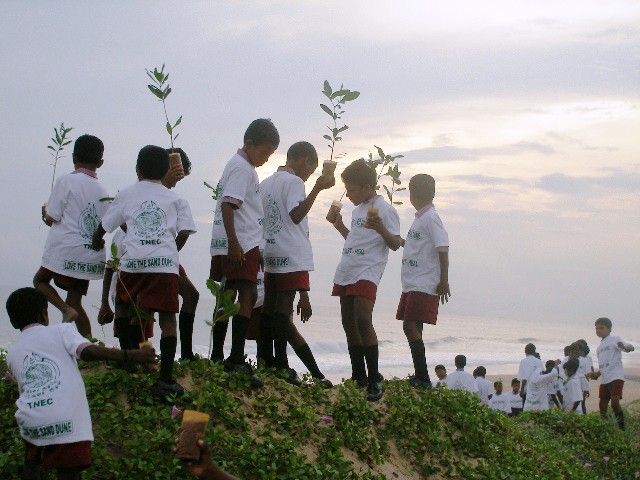
Established 5 vermi-compost pits across project schools to produce organic soil amendments for dune plant nurseries. Raised and distributed seedlings of aloe, lantana, calotropis, and ipomoea to students for planting on sand dune restoration sites.
District Science Exhibitions
Eco-Club members built and presented sand dune conservation and restoration models at district-level science exhibitions — inspiring wider student communities and stimulating original environmental research thinking among young participants.
Exposure Visits & Field Learning
Organized field visits for Eco-Club members from three schools to the Periyakadu sand dune — enabling direct learning on medicinal plant identification, dune ecology, stabilization techniques, and the visible impacts of conservation and degradation.
Measurable Impact on Ground
From functioning governance bodies to published knowledge resources, HEAL's Coastal Sand Dunes program has generated concrete, verifiable outcomes that continue to sustain themselves beyond the project period.
-
District-Level Greening Committee fully operational — comprising 22 environmental scientists, one child representative per coastal village, and a women's representative — meeting regularly to monitor coastal greenery promotion and combat illegal sand mining and smuggling.
-
Village-Level Sand Dune Restoration Committees active across coastal project villages — each committee meeting twice monthly to assess local sand dune conditions, document smuggling incidents, and coordinate community responses.
-
8 school Eco-Clubs established and active along the coastal belt — delivering environmental education, promoting sand dune conservation, maintaining neem sapling nurseries, and cultivating an eco-literate generation of coastal youth.
-
Coconut sapling nurseries maintained by Eco-Club members as part of ongoing nursery raising programs — with students demonstrating proficiency in species propagation, planting techniques, and sapling maintenance.
-
5 vermi-compost pits operational at schools in Pozhikkarai, Kesavanputhenthurai, Puthenthurai, and Mela Manakudi — producing organic compost for dune plant nurseries and embedding sustainable waste management practices in school communities.
-
Sand dune models exhibited at district science exhibitions by Eco-Club students — winning recognition and stimulating scientific curiosity and original research thinking on coastal ecology among school communities.
-
Pollution-free lifestyle practices adopted across target coastal communities — with HEAL facilitating behavior change programs that reduced plastic use, open burning, and indiscriminate waste disposal in ecologically sensitive zones.
"Perumanal Ulagam" — World of Sand Dune
HEAL Movement published a landmark bilingual knowledge resource on the ecology, importance, restoration techniques, and medicinal value of coastal sand dune plant species — now widely used in coastal schools and community training programs across Kanyakumari District.
Community at the Forefront of Ecological Action
While coastal conservation is widely discussed at policy and academic levels, HEAL's program is distinctive in its insistence on genuine community ownership — placing children, youth, and women at the heart of ecological decision-making and action.
Children as Ecological Guardians
Rather than treating children as passive learners, HEAL's Eco-Club program positions them as active conservation agents — planting saplings, building models, conducting exhibitions, and articulating conservation messages in their communities. This creates intergenerational environmental stewardship rooted in lived experience.
Local Knowledge Meets Scientific Practice
The program integrates traditional community knowledge about coastal ecosystems with scientifically validated restoration techniques — ensuring interventions are both ecologically sound and culturally embedded, dramatically improving adoption and long-term sustainability outcomes.
Multi-Level Governance Innovation
The nested structure of village Restoration Committees feeding into a District Greening Committee of 22 scientists creates an unprecedented participatory governance model — linking grassroots vigilance with professional environmental expertise and official authority.
Disaster Risk Reduction Through Ecology
By framing sand dune conservation explicitly as disaster risk reduction — not just environmental protection — HEAL connects ecological restoration to community safety, creating a compelling incentive for community participation that transcends traditional conservation motivation.
Birth of the Ecological Child Rights Concept
A profound innovation emerged from this program: the concept of Ecological Child Rights. As children engaged deeply in coastal conservation work, a new rights framework crystallized — the inherent right of every child to a healthy ecosystem that supports dignified living, physical well-being, and a thriving natural world to inherit. This is not merely the right to enjoy nature, but the right to conserve, strengthen, and restore it — for the child's own present and future needs. This conceptual breakthrough has since shaped HEAL's broader child rights and environmental education programming.
Explore Eco Child Rights Program →Restoring the Coast, One Dune at a Time
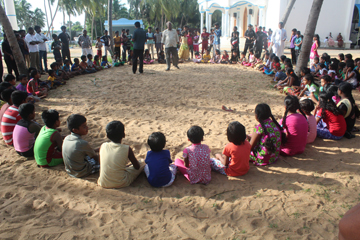
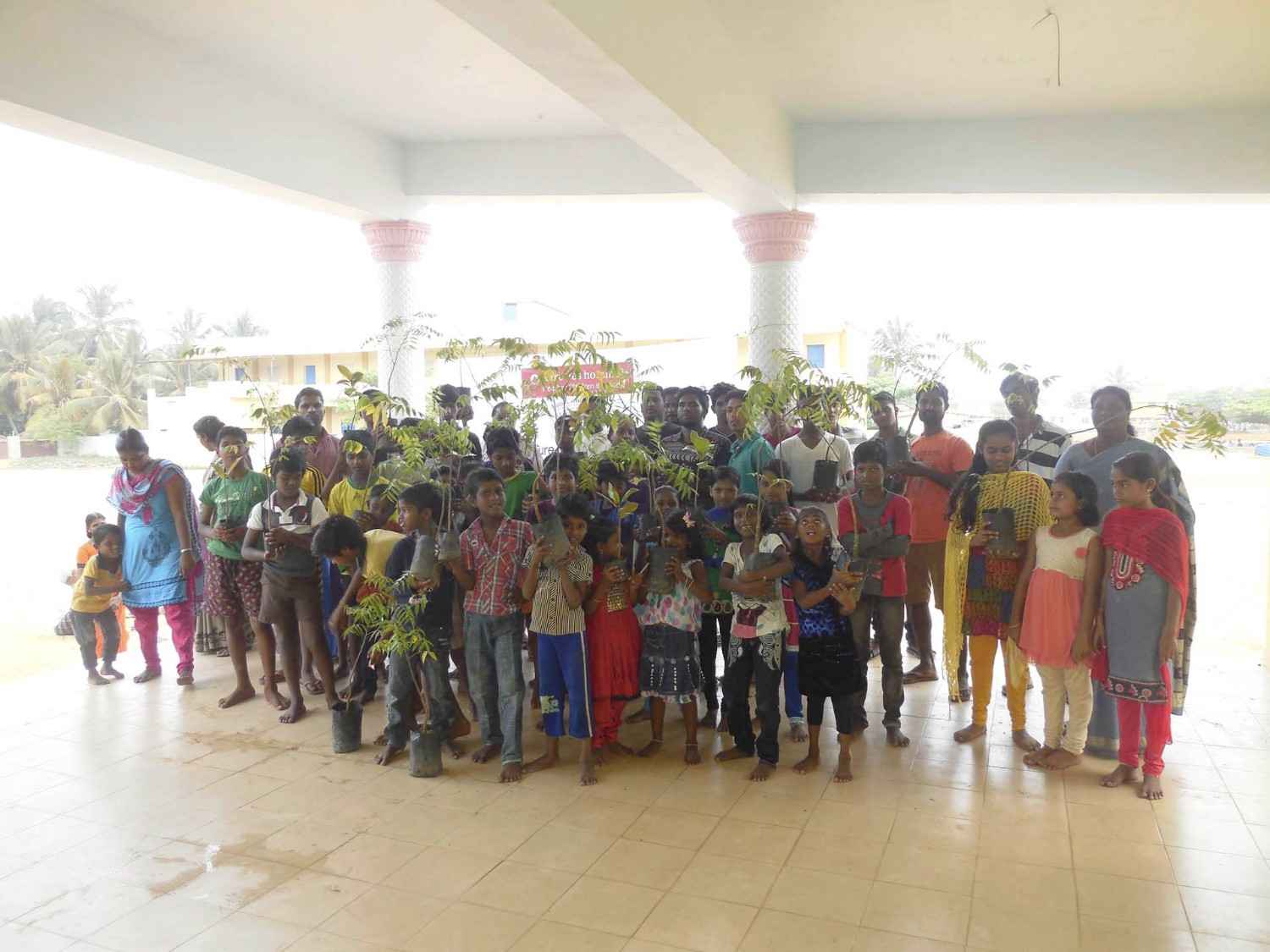
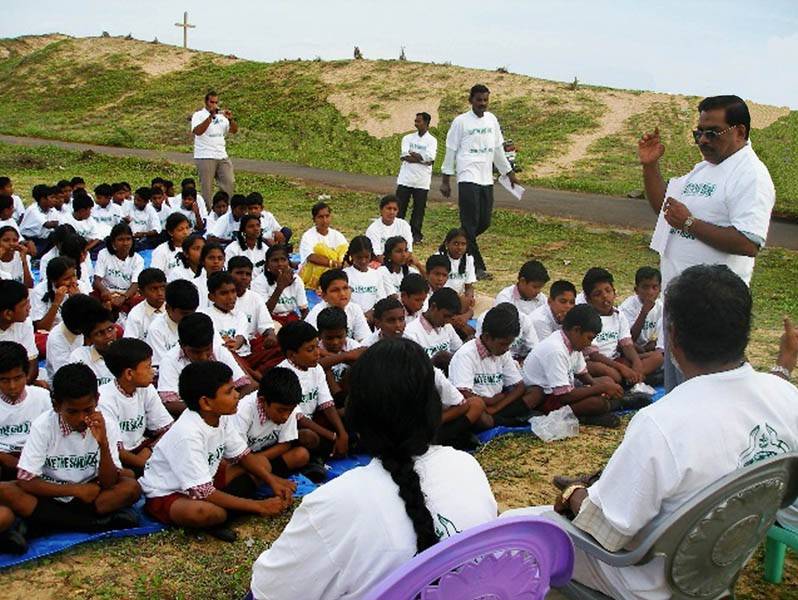
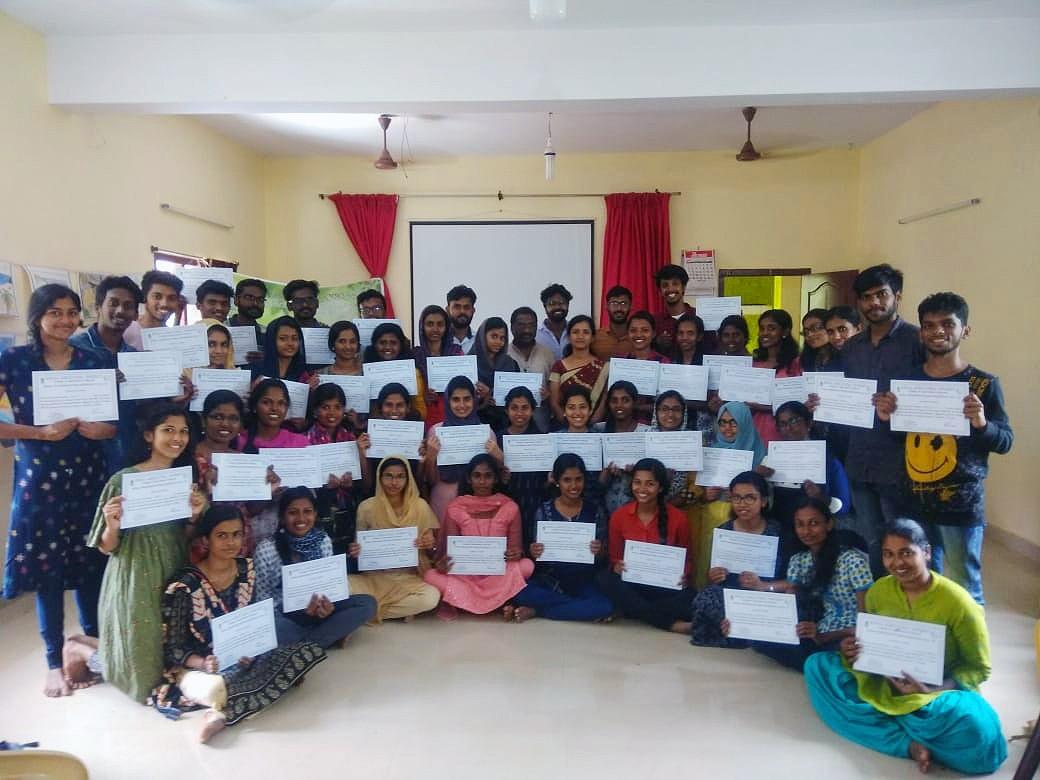
Glimpses of community-led coastal restoration across Kanyakumari District.
Help Us Protect Every Kilometre of Coastline
Your support funds community nurseries, Greening Committee operations, school Eco-Club programs, and anti-sand-mining advocacy — preserving the coastal defence systems that protect thousands of lives and livelihoods.
Related Programs